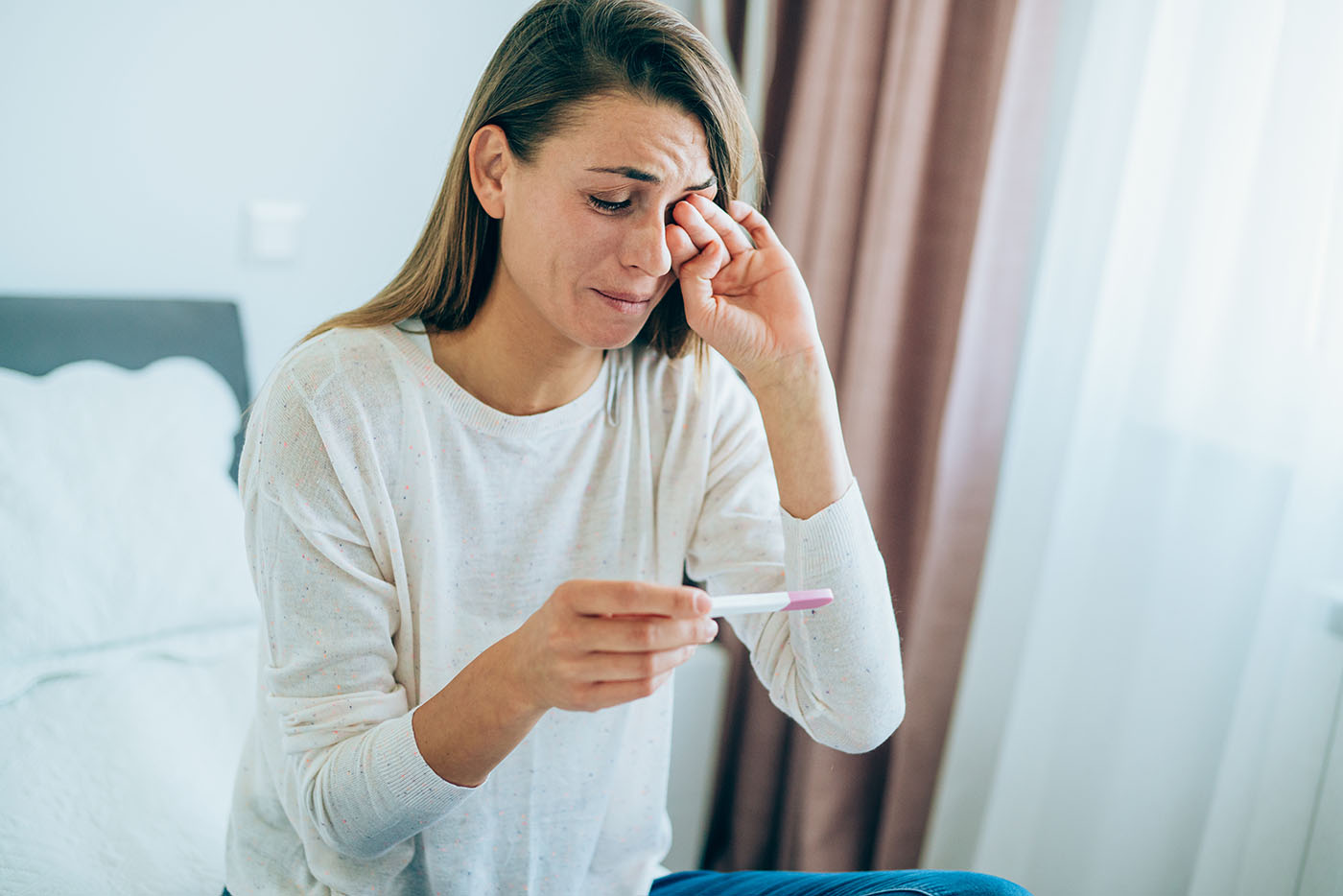
Cycle Cancellation: A Tough Decision
Sometimes, IVF cycles need to be cancelled due to various reasons, each bringing its own set of challenges.
Ovarian Hyperstimulation Syndrome (OHSS)
OHSS occurs when the ovaries respond too strongly to fertility medications, causing swollen, painful ovaries and fluid buildup in the abdomen and chest. While mild cases can be managed, severe OHSS might require hospitalisation. Factors like high hormone levels, PCOS, and a history of OHSS increase the risk. Fortunately, newer treatment protocols are helping to reduce the occurrence of this condition.
Absence of Eggs
In some cases, despite good follicle development, no eggs are retrieved during the IVF process, a situation known as “empty follicle syndrome.” This can happen due to premature ovulation or issues with the medication. While this is disheartening, better monitoring and medication adjustments are helping to prevent this outcome.
Fertilisation Failures
Fertilisation is a key step in IVF, where the sperm and egg meet to form an embryo. However, fertilisation doesn’t always occur. Poor egg quality, sperm issues, or problems in the IVF lab can lead to fertilisation failures. Techniques like Intracytoplasmic Sperm Injection (ICSI) can assist in these cases, giving hope to couples facing this challenge.
Why Embryos May Not Develop
Embryo development is delicate, and failures can happen due to several reasons.
Poor Quality Embryos
The quality of an embryo is crucial for IVF success. It affects both the chances of implantation and the likelihood of a successful pregnancy. While traditionally, embryo quality has been assessed visually under a microscope, this method doesn’t reveal the genetic health of the embryo, which is essential for its development.
Genetic Factors Influencing Embryo Quality
Embryos with chromosomal abnormalities, such as aneuploidy, may look healthy under a microscope but may not implant or may lead to early pregnancy loss. This risk increases with maternal age. Advances in genetic screening, like Preimplantation Genetic Testing for Aneuploidy (PGT-A), help identify embryos with the best chances of leading to a healthy pregnancy.
The Role of Mitochondrial DNA in Embryo Viability
Research is exploring the role of mitochondrial DNA in embryos, as high levels might indicate lower viability. While studies are ongoing, this could become another marker for assessing embryo health.
Environmental Factors on Embryo Development
The lab environment, including the culture medium, oxygen levels, and temperature, can impact embryo development. Fertility clinics continually refine these conditions to support the best possible outcomes.
Moving Forward with Hope and Resilience
Despite the challenges, many couples eventually achieve their dream of parenthood through persistence and informed decisions. At Ferticentro, we’re committed to supporting every couple with evidence-based treatments tailored to their unique needs.
The emotional journey of IVF can be just as challenging as the physical one. Support from groups, counselling, and open communication with your healthcare team is vital. Building resilience, fostering hope, and maintaining a balanced outlook are key to navigating the ups and downs of fertility treatments.
The path to parenthood, particularly through IVF, is a journey of strength and determination. While setbacks are part of the process, the advances in fertility treatments, combined with compassionate care, keep the dream of parenthood alive for many.